

Ryan Zavodnick | October 12, 2026 | Personal Injury \ Premises Liability
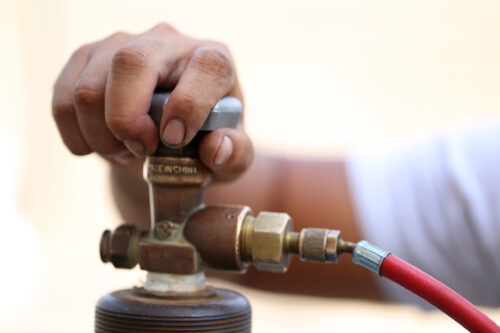
Gas leaks can be a silent but deadly threat, especially when undetected. Whether natural gas, carbon monoxide, or other gases, the long-term impacts can be severe and jeopardize your health, property, and financial stability. If a gas leak in Philadelphia, PA, has injured you or a loved one, Zavodnick & Lasky Personal Injury Lawyers may be able to help.
Symptoms Related to Gas Leaks
Symptoms of gas exposure can range from mild to severe. Symptoms typically depend on the type of gas you are exposed to and for how long. Immediate symptoms of a gas leak may include:
- Headaches
- Dizziness
- Nose irritation
- Fatigue
- Nausea
- Shortness of breath
- Skin irritation
These symptoms may be mistaken for common illnesses, which can make it harder to detect a gas leak early. Long-term exposure to harmful gases can cause more serious health problems, such as respiratory issues, chronic headaches, heart problems, memory loss, or even death. If you or a loved one suspect that you are experiencing symptoms related to a gas leak, see a medical professional immediately.
How To Detect A Gas Leak
Detecting a gas leak early can prevent many of the long-term health effects. There are several methods to identify a gas leak, depending on whether the leak is natural gas, carbon monoxide, or something else.
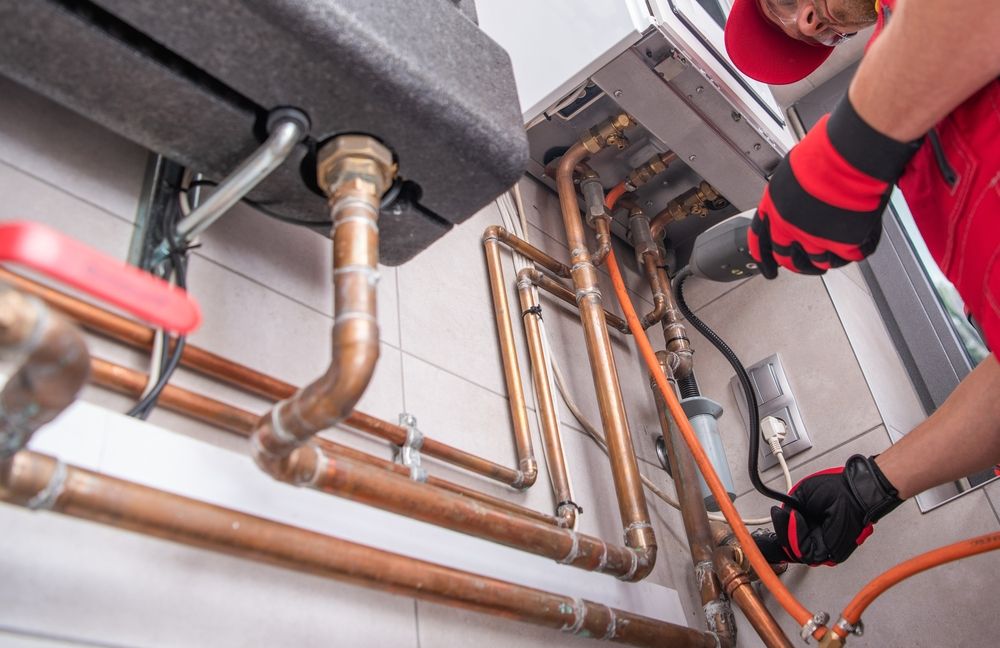
- Smell: Natural gas and carbon monoxide are odorless, but utility companies add a chemical to natural gas that gives it a rotten egg smell. This odor is usually the first sign of a leak.
- Sound: Hissing or whistling sounds near a gas line could indicate a leak. Contact a professional if you cannot identify the source.
- Sight: Dead grass near a gas line, air from pavement cracks, or bubbles from standing water can be signs of a gas leak.
- Carbon monoxide detectors: Installing carbon monoxide detectors in your home or workplace can help detect carbon monoxide.
Act quickly if you suspect a gas leak and leave the area. Avoid inhaling the gas and contact emergency services and/or your utility company.
What Does a Gas Leak Smell Like?
Natural gas is odorless, but gas companies add mercaptan to give it a pungent smell similar to rotten eggs or sulfur. This can help you detect a gas leak before it is too late. However, other gases, like carbon monoxide, do not have a smell. This makes them even more dangerous because they can go undetected.
Types of Personal Injury Cases Involving Gas Leaks
A gas leak injury may lead to a personal injury case, depending on the circumstances involved. Some common scenarios of personal injury cases involving gas leaks include:
Premises Liability Cases
Gas leaks can occur in rental properties, hotels, restaurants, and office buildings with different gas systems. They can cause poisoning, explosions, fires, severe injuries, or even death. Business owners or property managers may be liable for failing to keep the premises safe if their negligence causes a gas leak and injuries.
Utility Company Negligence Cases
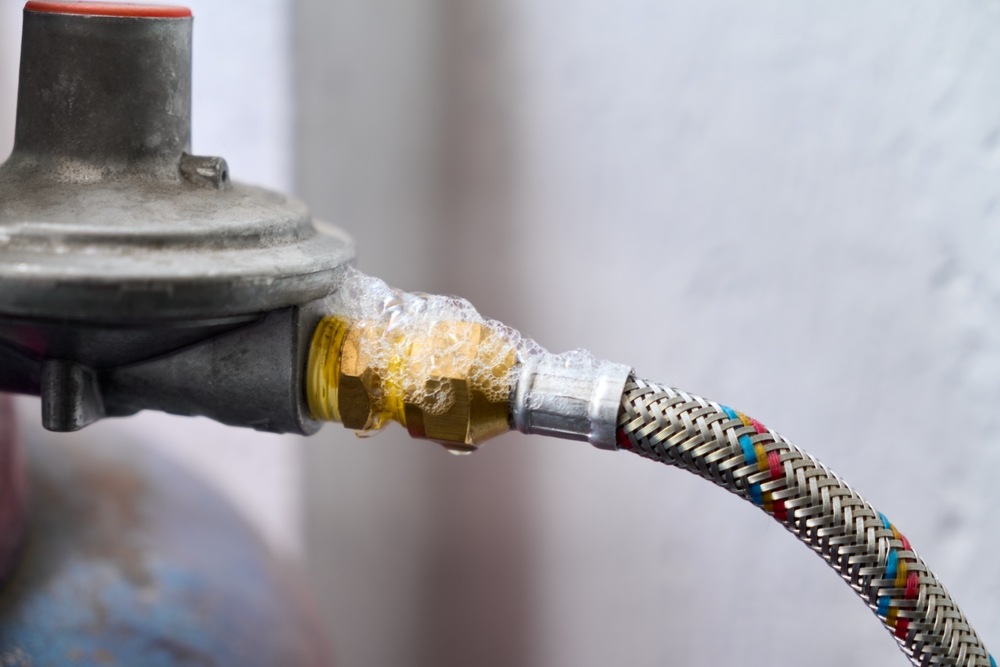
Utility companies are responsible for maintaining and monitoring gas lines. If a gas leak occurs due to faulty maintenance, poor repairs, or a delayed response to a reported leak, those injured may have a personal injury claim.
Product Liability Cases
Defective products, such as faulty gas appliances, malfunctioning detectors, or defective gas lines, may cause leaks. When injuries occur due to these defects, victims may file product liability claims against the manufacturers, distributors, or retailers of the faulty products. You must show that the product was defective and the cause of the leak and your injuries.
When Exposure Becomes a Premises Liability Claim
Responsibility usually sits with whoever controlled the condition. A landlord who was told about a smell and did nothing, a property manager who skipped required maintenance on a heater or a line, a contractor who installed an appliance improperly, or a utility that failed to respond to a reported leak can each answer for what the exposure caused.
These cases are built from records that do not stay available forever: maintenance logs, repair tickets, prior tenant complaints, utility response records and inspection reports. The appliance or the line itself matters too, and it should be preserved rather than replaced. Our Philadelphia premises liability page explains how property owner responsibility works in Pennsylvania.
Medical documentation carries the same weight. Carbon monoxide and gas exposure symptoms are easy to attribute to something else months later, so the record needs to connect the symptoms to the exposure while the timeline is still clear.
If you or a family member were exposed to a leak in a rental, a workplace or a recently serviced home, call Zavodnick & Lasky Personal Injury Lawyers at (215) 875-7030 or contact the office, and keep the paperwork you already have.
Frequently Asked Questions (FAQ): Gas Leaks and Personal Injury in Philadelphia
What should I do if I suspect a gas leak in my home or building?
If you smell natural gas or suspect a gas leak, evacuate immediately and avoid using anything that could spark ignition. Do not operate light switches, appliances, or phones near the suspected leak. Once you are at a safe distance, call 911 and your local utility provider to report the situation.
Can I file a lawsuit if I was injured due to a gas leak?
Yes. If your injury resulted from negligence, such as poor gas appliance installation, failure to maintain pipelines, or inadequate warnings, you may be able to file a personal injury claim against the responsible party.
How do I prove my gas leak injury case?
Strong documentation is key. Seek medical attention right away and retain all medical records. If possible, take photos of the area where the gas leak occurred and save any damaged or defective gas appliances. A personal injury lawyer can help gather testimony and investigate whether methane or another hazardous gas was involved.
Are landlords responsible for gas leaks in rental properties?
Yes. Under premises liability law, landlords must maintain safe living conditions. Failing to inspect or repair gas appliances, heaters, or piping systems that use natural gas may result in legal liability if tenants are harmed.
Do I need a carbon monoxide detector at home?
Absolutely. Especially in homes using gas appliances, a carbon monoxide detector is critical for early detection of harmful gases. While carbon monoxide is not the same as methane, both can be dangerous and potentially deadly if not detected in time.
What kind of compensation can I receive for a gas leak injury?
Victims of gas leak injuries may be entitled to compensation for medical bills, lost income, property damage, pain and suffering, and emotional distress. If methane buildup led to an explosion or severe injury, additional damages for long-term care or permanent disability might apply.
Injured from A Gas Leak? Contact A Philadelphia Personal Injury Lawyer
If you or someone you know has been injured due to a gas leak in Philadelphia, seek immediate medical attention and consider speaking with a Philadelphia personal injury attorney. You may have a claim if someone else’s negligence or intentional misconduct caused the gas leak and your injuries. Schedule a free consultation today.
About the Author

This post was published by Zavodnick & Lasky Personal Injury Lawyers, a Philadelphia firm representing people injured in accidents and workers hurt on the job throughout Pennsylvania. Questions about an injury claim can go to (215) 875-7030, and more about the firm is on our about page.
