

Workers’ compensation is not always the end of the story. When someone other than your employer helped cause the accident, Pennsylvania law lets you bring a separate injury claim against that party while your comp benefits continue.
Zavodnick & Lasky Personal Injury Lawyers handles those third-party claims for workers hurt on job sites, loading docks, plant floors, and delivery routes across Philadelphia.
That second claim matters because comp is deliberately incomplete. It pays medical treatment and a fraction of your wages. It pays nothing for pain, nothing for the loss of what you used to be able to do, and nothing to a spouse whose life changed alongside yours. A third-party case is the only route to those damages.
If you are trying to work out what your benefits are worth or why a check stopped, the Philadelphia workers’ compensation page covers the benefits side in detail. This page is about everything that sits outside the comp system.
To talk through whether a third party was involved in your accident, call +1 (215) 875-7030.
What Will a Workplace Accident Lawyer Actually Do on Your Case?
The work splits into two tracks that run at the same time.
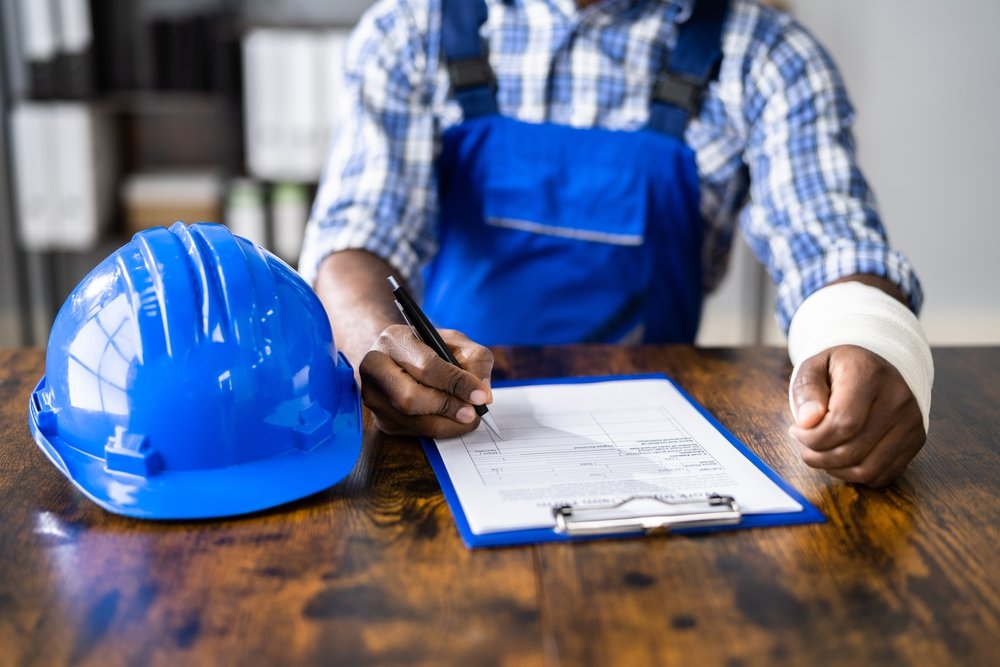
On the comp side, we make sure the claim is reported, the wage rate is calculated from your real earnings, and the deadlines are met. Petitions, appeals and the forms that govern each stage run through the Bureau of Workers’ Compensation at the Pennsylvania Department of Labor & Industry.
On the third-party side, the work is investigative. Who else was working on that site? Who owned the equipment? Who serviced it last? Who had control over the area where you were hurt? That question has to be answered while the evidence still exists, because job sites change and equipment gets repaired.
You can expect us to:
- Investigate the circumstances and preserve the physical evidence
- Identify every company other than your employer that may share responsibility
- Handle the paperwork and the communications on the comp claim
- Represent you through the claims process and any appeal
- Negotiate with the carriers, and litigate when the numbers do not move
Who Can Be Sued After a Workplace Accident in Philadelphia?
Your employer is generally off limits. That immunity comes from the exclusive remedy provision of the Pennsylvania Workers’ Compensation Act, codified at Title 77 of the Pennsylvania statutes, which trades your right to sue your employer for benefits paid without any argument about fault.
It does not extend to anyone else. Most Philadelphia job sites involve several employers at once, and the one who signs your paycheck is often not the one who created the hazard.
The parties that most often end up as defendants:
General contractors and site owners. On a multi-employer construction site, the general contractor controls site safety even for workers it does not employ. A subcontractor’s employee injured by an unguarded floor opening or an unsecured excavation is suing the general contractor, not his own boss.
Other subcontractors. The electrician injured by a scaffold the framing crew built has a claim against the framing company.
Equipment and product manufacturers. Missing guards, defective lockout systems, failed lift components and machines that restart without warning are product liability claims.
Drivers. Anyone hurt in a vehicle while working, from delivery drivers to a foreman driving between sites, has a claim against the at-fault motorist alongside comp.
Property owners. A meter reader, home health aide, or repair technician injured by a hazard at a customer’s property is bringing a premises case.
There is a catch worth knowing before you start. The comp insurer has a subrogation lien on your third-party recovery, meaning it gets repaid out of the settlement for what it already paid you. How that lien is negotiated changes what you actually keep, and it is one of the more technical parts of handling these cases well.
What Can You Recover That Workers’ Comp Will Not Pay?

A third-party claim reaches four categories the comp system leaves on the table.
Pain and physical suffering. Comp assigns no value to it. A jury does.
Loss of life’s pleasures. Pennsylvania recognizes the loss of the activities and capacities that made your life yours. For a tradesman who can no longer lift, or a nurse who can no longer stand a full shift, this is often the largest element of the case.
The wage gap. Comp replaces roughly two-thirds of wages, subject to a cap. A third-party claim can pursue the remaining third and the future earning capacity you lost.
Loss of consortium. Your spouse has a claim of their own for the change to the marital relationship.
Workers’ comp benefits themselves, how they are calculated and how long they last, are covered on our Philadelphia workers’ compensation page.
Can You Recover for a Workplace Injury If You Were Partially at Fault?
For the comp claim, fault is irrelevant. Pennsylvania workers’ compensation is a no-fault system, so you can have contributed to the accident and still receive full benefits. The narrow exceptions are injury you caused intentionally and injury sustained while intoxicated.
The third-party claim works differently, because that one is fault-based. Pennsylvania applies modified comparative negligence under 42 Pa.C.S. § 7102: if you are 51% or more responsible you recover nothing, and below that your recovery is reduced by your percentage of fault.
That threshold is why defense counsel pushes so hard on your conduct in these cases. Moving a worker from 30% to 51% does not reduce the claim, it ends it, and the difference is usually argued rather than proven.
What Is the Deadline for a Third-Party Workplace Claim?
Two years from the date of the accident for most personal injury lawsuits in Pennsylvania, under 42 Pa.C.S. § 5524. That is shorter than the three-year window for filing a workers’ compensation claim petition, and working from the comp calendar is the single most common way a third-party claim gets lost.
Claims involving a public agency are shorter still, and can require written notice within six months.
If a company other than your employer may have been involved in your accident, that assessment should happen early. Call +1 (215) 875-7030.
We Handle All Types of Workplace Accident Cases in Philadelphia, PA

We represent workers from every industry in the city, including construction, manufacturing, transportation, warehousing, healthcare and service work. The cases we take on most often involve:
- Falls from height and falls on the same level
- Struck-by and caught-between injuries
- Machinery and equipment injuries, including amputations
- Electrical injuries and arc flash
- Vehicle collisions while working
- Chemical and toxic exposure
- Crush injuries and catastrophic trauma
A workplace injury creates real financial pressure, and part of our job is to identify every source of recovery rather than settling for the first one.
Related reading: long-term workplace illness covers occupational disease claims, and Philadelphia construction accident lawyer covers job site injuries specifically.
Find Out Whether a Third Party Was Involved in Your Accident

Most injured workers file the comp claim, take what it pays, and never learn whether the equipment maker, the general contractor or the driver had a role. That question gets decided in the first few weeks, usually by default.
Tell us what happened, where, and which companies were working on the site. We will tell you how many claims are actually in it. Call +1 (215) 875-7030.
Reviewed by the workplace injury team at Zavodnick & Lasky Personal Injury Lawyers, which handles third-party injury claims arising from job site accidents in Philadelphia County and the surrounding counties.
